The ten line items below reflect recurring statewide polling and reporting on the issues Texans rank as most urgent day to day.
They are what shows up, year after year, when Texans are asked what actually worries them. Those concerns do not sort neatly by party, and the people carrying them are tired of a political conversation that assumes they do. Every candidate invited to one of our radio debates picks five of these ten and speaks five uninterrupted minutes on each, in the order of importance to them.
16.7%uninsured rate in Texas, the highest in the nation (2024 Census)
38th to 46thwhere Texas ranks of 50 states in per-pupil spending, depending on the year and the measure
80%+of Texas counties are federally designated mental health shortage areas
Inflation, food prices and cost of living
Groceries, fuel, rent and insurance keep climbing, and families are cutting into savings to keep up. Inflation is now the single concern Texas businesses name most often, the largest share since the Dallas Fed began asking in 2022.
SourceFederal Reserve Bank of Dallas, Texas Business Outlook Surveys, June 2026
Property taxes and housing affordability
Rising home valuations are pushing up tax bills and rents together, squeezing longtime owners and locking out young families. Texas has no income tax, so property tax carries the load, at an effective rate of about 1.4 percent of a home’s value.
SourcesTax Foundation, Texas tax rates and rankings and the Texas Comptroller, property tax
Home and auto insurance premiums
Severe weather and repair costs have driven double-digit premium hikes. The median Texas homeowner paid 60 percent more for home insurance in 2024 than in 2019, against 30 percent nationally. For many households, insurance has turned into a second mortgage.
SourceFederal Reserve Bank of Dallas, “Texas homeowners pay high insurance costs, face rising premiums,” April 2026, using Texas Department of Insurance filings
Healthcare costs and the uninsured
Medical debt and emergency room reliance shift the cost of the uninsured onto every taxpayer.
SourceU.S. Census Bureau, Health Insurance Coverage by State: 2023 and 2024, September 2025
Rural data center expansion
Large AI and server farms in the Panhandle, East Texas, and the Permian Basin strain local water and power while delivering few lasting jobs. One recent study puts the yearly cost of data center air pollution and greenhouse gases across the country at about $25 billion, with Texas and Virginia together carrying 30 percent of it.
SourcesNicholas Z. Muller, “Measuring the Impact of Data Centers in the United States Economy,” NBER Working Paper 35100, April 2026, and our own research page
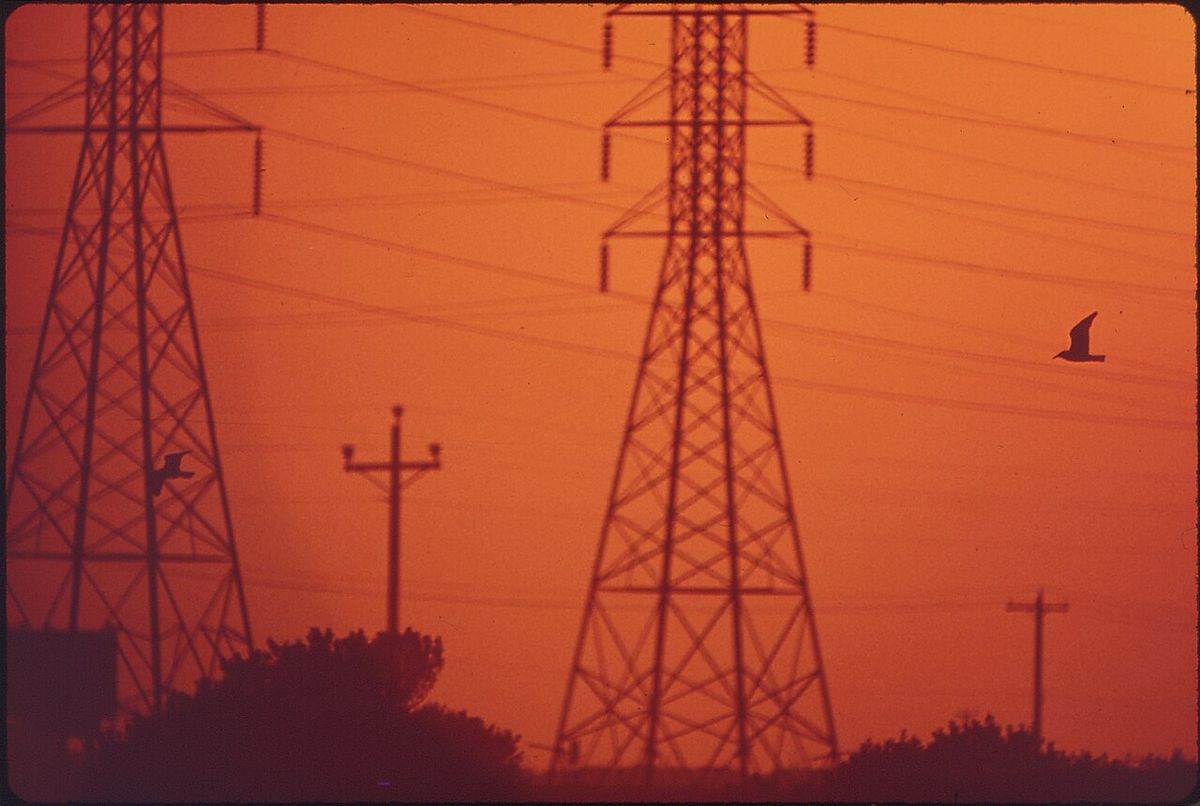
Power grid reliability
Population growth, plus industrial demand from data centers and crypto mining, is pushing ERCOT toward its limits and raising the risk of blackouts in heat waves and freezes. ERCOT’s own preliminary forecast puts demand in its region at about 367,790 megawatts by 2032. The all-time record peak, set in August 2023, was 85,508 megawatts.
SourceERCOT, preliminary long-term load forecast for 2026 to 2032, April 15, 2026
Public school funding
Low per-pupil spending contributes to district deficits, campus closures, and high teacher turnover.
SourcesThe Texas Tribune puts Texas 38th, the National Education Association 39th, and Raise Your Hand Texas in the bottom ten
Water scarcity and aging pipes
Drought, over-pumped aquifers, and leaking infrastructure threaten both municipal drinking water and agricultural water supplies. Texas’s largest cities reported losing roughly 88 billion gallons in a single year to leaks and main breaks.
SourcesTexas Water Development Board, 2027 State Water Plan, and The Texas Tribune on the water lost to aging pipes
Border management and local strain
Border and metro communities absorb outsized costs for emergency healthcare, public safety, and local services tied to immigration logistics.
Two ways of counting this exist, and they come at it from different directions. What the state spends: Texas has put more than $11 billion into Operation Lone Star since 2021, and set aside about $3.4 billion for 2026 and 2027, roughly what the state spent on border security in the whole fourteen years before 2021. What local hospitals carry: Texas hospitals absorb about $3.1 billion a year in uninsured care nobody reimburses. When the state tried to measure how much of that came from undocumented patients, it reported $121.8 million in a single month, and researchers said that figure cannot be read on its own, because it was never compared with the cost of uninsured citizens and most uninsured Texans are citizens.
SourcesTexas Observer and The Texas Tribune on state border spending, and The Texas Tribune on hospital costs and what the state’s own count does and does not show
Mental health access and rural hospitals
Where rural hospitals have closed, jails and police become the default responders.
SourcesTexas Department of State Health Services, shortage area designations, and the federal HRSA shortage area data